7 steps to create a detailed Digital Marketing plan from A-Z
Hoc Tai
532 views
Table of Contents
In the digital age, Digital Marketing is no longer an option but has become a vital factor for businesses. However, not all businesses know how to do Digital Marketing properly, causing waste of budget without achieving efficiency. This article will guide you to create a professional Digital Marketing plan in just 7 steps, suitable for both beginners and small businesses that want to optimize costs and efficiency.
What is Digital Marketing? Why is planning necessary?
Digital Marketing refers to marketing activities that use digital platforms such as websites, social media, search engines, email, etc., to reach target customers. For small businesses, implementing marketing in a systematic way will help save costs, increase brand awareness, and boost sales.
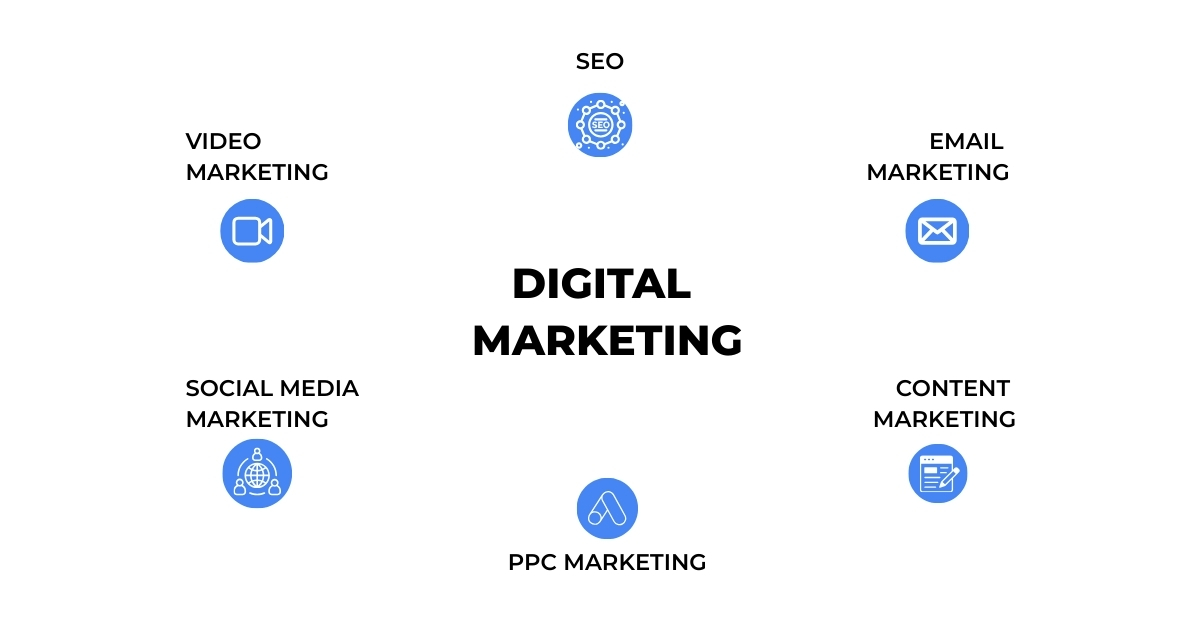
What is Digital Marketing? Why is planning necessary? However, many business owners make the mistake of doing Digital Marketing based on intuition: They see others running Facebook Ads and they do it too, they see competitors doing TikTok and they do it too. This leads to wasted budget without achieving results. Therefore, a detailed plan is a guide to clearly define the goals to be achieved, choose the appropriate channels, optimize the budget, and measure results clearly.
Detailed Digital Marketing Planning Guide
Step 1: Market and Competitor Analysis
Before starting any activities, identify the product or service area you offer, assess the growth trends and consumer behavior of your target market through tools such as Google Trends or search keywords on Google Keyword Planner.
Simultaneously, analyze your competitors in the same industry:
- What platforms are they promoting their products on?
- What is unique about the content they use?
- How do customers interact?
Understanding your competitors' methods isn't about copying them, but about finding your own unique selling points and competitive advantages.
Step 2: Define Digital Marketing Goals
Each campaign needs to be tied to a specific goal to avoid wasting money and effort. This could be increasing orders, attracting potential customers, or building brand awareness.
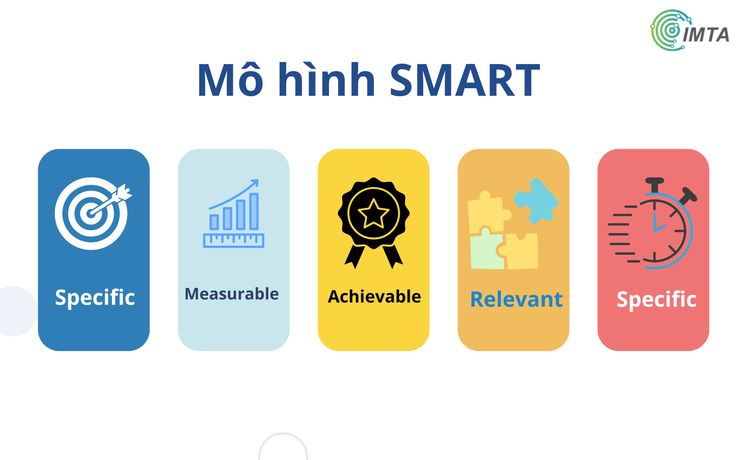
Applying the SMART model will help you specify your goals:
- Ensure your goals are measurable, realistic, and have a clear deadline.
- For example, instead of setting a goal of "increasing revenue," set it as "increase 300 orders from the website in the next 3 months."
SMART Model
Step 3: Confirm your target customer persona
To market effectively, you need to clearly understand who your ideal customer is.
Create a detailed profile of your target audience: Age, gender, occupation, income level, social media habits, interests, and even their pain points.
For example, if you sell products for mothers, clearly identify when they are usually online, what they are interested in, and what content makes them stop and read. Understanding your customers will help you choose the right channel, the right message, and increase the conversion rate.
Step 4: Choose the right channel and strategy
Not every business needs to be present on all platforms. Choose 2-3 channels that best suit the target customers identified in the previous step. If your customers use Facebook a lot, focus on content for Facebook. If they frequently search for information on Google, invest in SEO and run search ads.
The accompanying strategy is also crucial. If it's a new product and you need to create awareness quickly, you can choose a strategy of widespread coverage using Facebook ads. If the goal is to close sales, use a landing page along with remarketing tools or follow-up emails after customers leave their information.Refer to GTG CRM Landing Page Templates: https://gtgcrm.com/gallery
Step 5: Build content for each channel
Content is the bridge between the brand and the customer. Each platform has its own characteristics, so you need to adjust the content to suit them.
- For Facebook, content should be concise, images should be eye-catching, and the title should be attention-grabbing.
- For LinkedIn, create professional content that provides a lot of knowledge.
- For Google, optimize content according to keywords to rank highly in search results.
More importantly, all content must address the pain points, questions, or needs of customers. Don't just talk about the product, talk about how the product makes their lives easier.
You can try GTG CRM's "AI Content Creation" feature, which helps you create cross-platform content without much effort.
Step 6: Budgeting and Resource Allocation
A good plan needs a clear budget. Whether you have 5 million or 50 million VND per month, list the expenses and allocate them appropriately.
- If the majority of your customers come from advertising, prioritize Ads in your budget.
- If you need to build a long-term brand, invest in content.
At the same time, consider the cost of tools such as Email Marketing software, Landing Pages, CRM, ... and also personnel if you outsource. Creating a budget will help you avoid exceeding your budget while ensuring all activities are carried out fully.
Step 7: Measure and optimize the campaign
Digital Marketing has the great advantage of being measurable. But without monitoring, you won't know which ads are effective, which content is good, and what needs improvement. Keep track of key metrics such as:
- Click-Through Rate (CTR)
- Conversion Rate (CR)
- Cost per Order (CPA)
From that data, you'll know which ads to turn off, which channels to increase budget for, or how to adjust content.
Conclusion
A well-structured Digital Marketing plan doesn't need to be complicated, but it needs to be clear and measurable. When you know what you're doing, for whom, and what your goals are, the results will be clearer, your budget won't be wasted, and you can grow sustainably.
If you are a small business owner and want to start a streamlined Digital Marketing strategy, consider a supporting tool like GTG CRM - A platform that integrates tools for creating Landing Pages, Email Marketing, measuring campaign effectiveness, managing customers and much more in one place.
Maybe You Should Read These

Create SEO-standard Landing Page to attract potential customers with GTG CRM

No more forgotten Leads: Automate management, increase conversion rate 3 times
Not targeting the right people? 4 steps to create customer portraits with GTG CRM
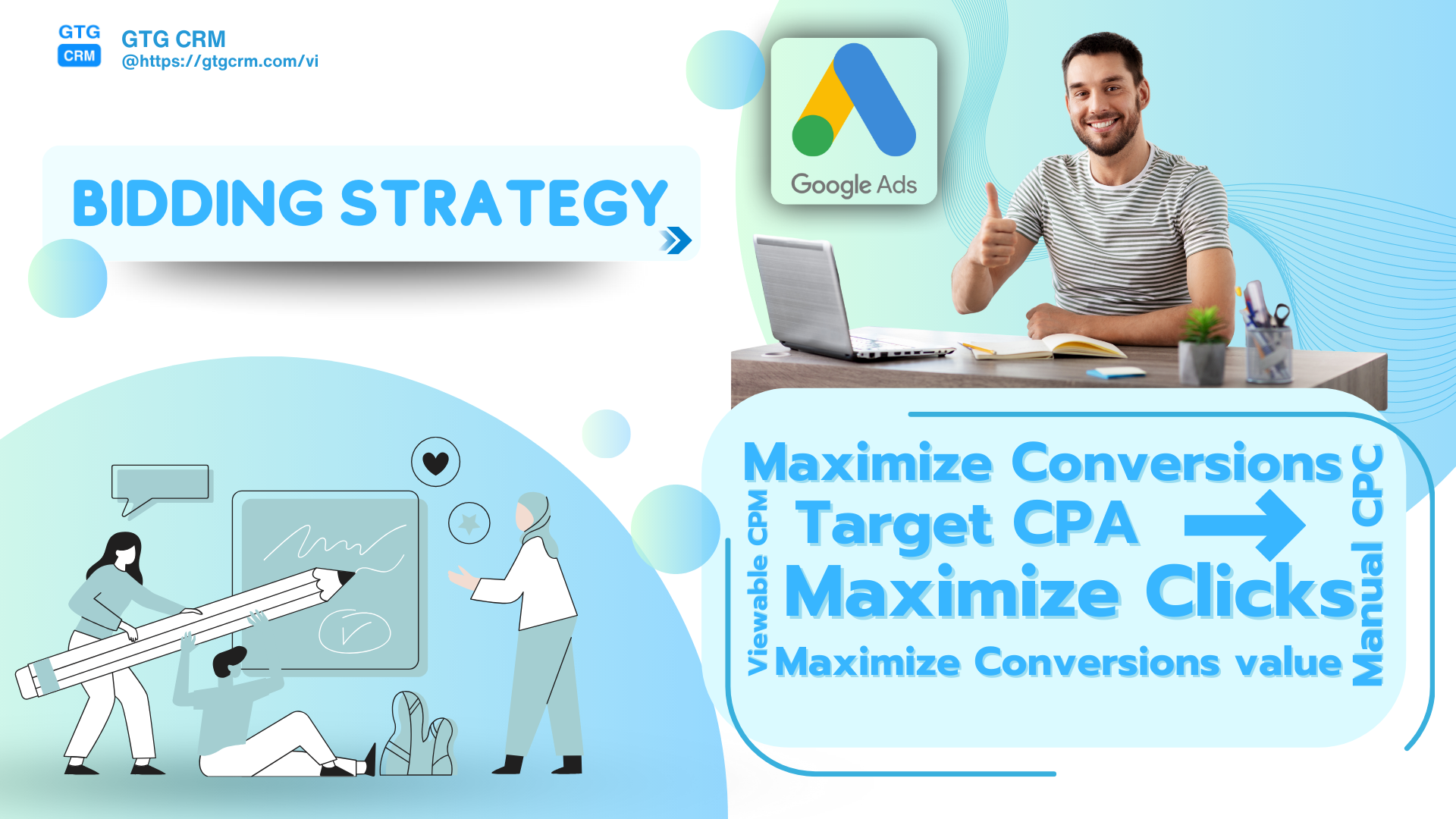
6 Bidding Strategies in Google Ads

Multi-channel and Omnichannel: Transforming Strategy to Unlock Customer Experience – The Secret to Reducing Sales & Marketing Costs by 20%