Case Study: Nike, L’Oréal and Starbucks - When AI Marketing Becomes the Engine of Growth
Hoc Tai
532 views
Table of Contents
As customer behavior changes every day, personalizing experiences is no longer an option, but a survival standard for every brand. In the age of AI, businesses that leverage data and technology to better understand their customers are leading the way.
According to a report from Pragmatic Digital, three global brands – Nike, L’Oréal and Starbucks – are prime examples of how AI Marketing can be used to optimize advertising, predict purchasing behavior and retain customers.
The results: significantly increased revenue, enhanced loyalty and a more personal brand experience than ever before.
Context: When data becomes the new “competitive weapon” in marketing
In the past, marketing relied heavily on intuition and creative ideas. But now, data and AI have completely changed the way brands reach customers.
From identifying who your potential buyers are, to when they are ready to make a decision, everything can be predicted by AI.
Three pioneering brands Nike, L’Oréal and Starbucks have proven that, by combining data, creativity and technology, businesses can turn marketing into a sustainable growth tool, not just an advertising expense.
Nike - Personalizing the sports experience with AI
Nike is the world's leading sports brand, known for its “Just Do It” spirit and strong emotional connection with sports lovers. But behind the inspiring campaigns, Nike is also one of the most advanced businesses using data technology in marketing.
How Nike uses AI
Nike uses AI and analyzes user behavior data from the Nike Run Club app, website, and e-commerce platforms to understand each individual: how much they run, what products they like, and when they usually buy.
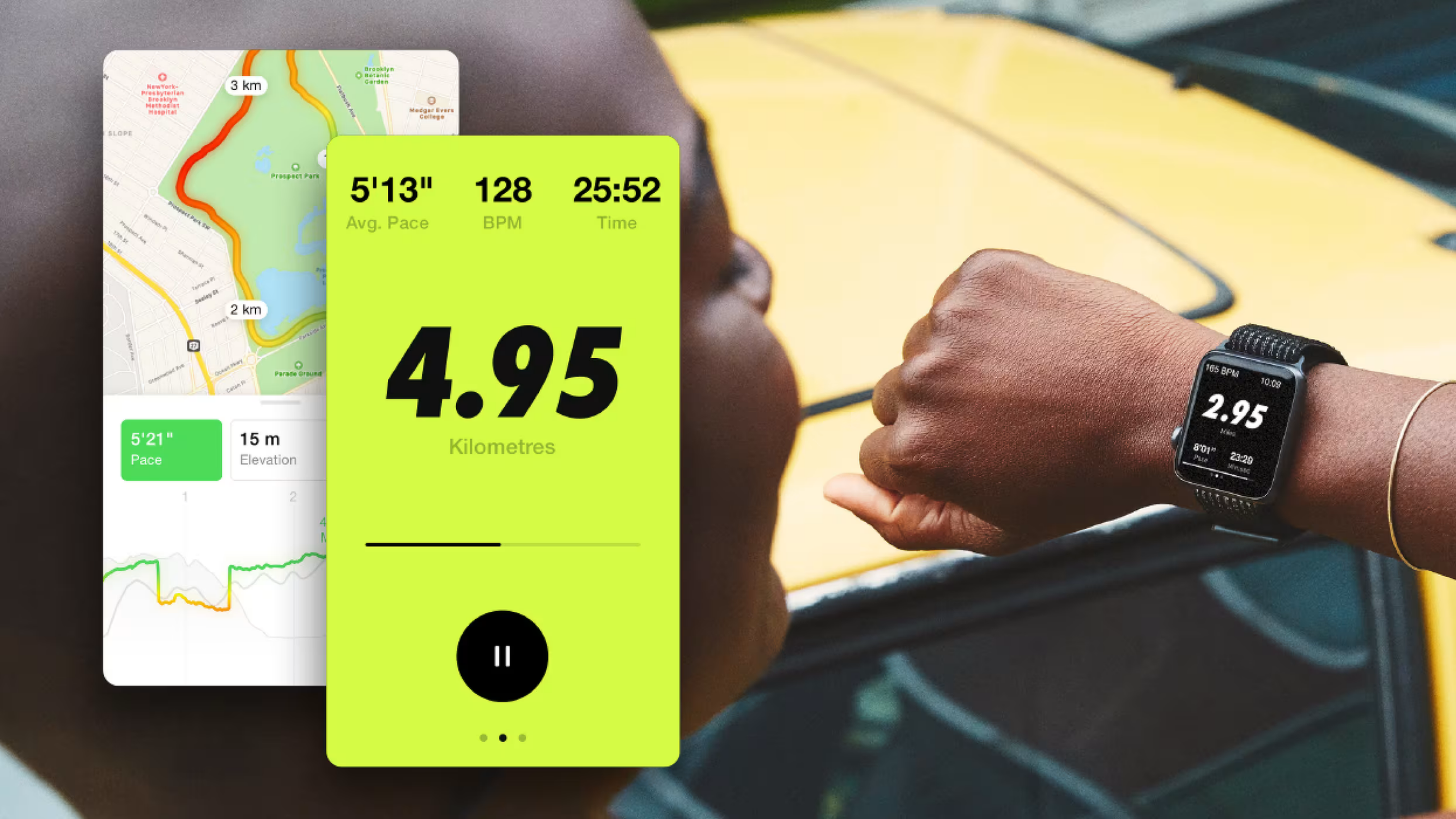
Nike Run Club App Interface
Source: Nike Run Club
From there, the AI system automatically personalizes marketing messages, for example, sending emails or push notifications suggesting suitable shoes for trail runners, or special offers for loyal customers.
Results achieved
According to internal reports, the AI-driven personalization strategy helps Nike significantly increase engagement rates and revenue from online channels, while maintaining long-term relationships with consumers through deeply personalized experiences.
L’Oréal - AI helps personalize beauty for each customer
L’Oréal - the world's largest cosmetics group, always positions itself as a "Beauty Tech" business: combining technology and beauty to serve millions of women and men worldwide.
How L’Oréal applies AI
L’Oréal develops tools such as ModiFace - an AI application that allows customers to try on lipstick colors, hair colors or makeup styles right on their phones using facial recognition technology.
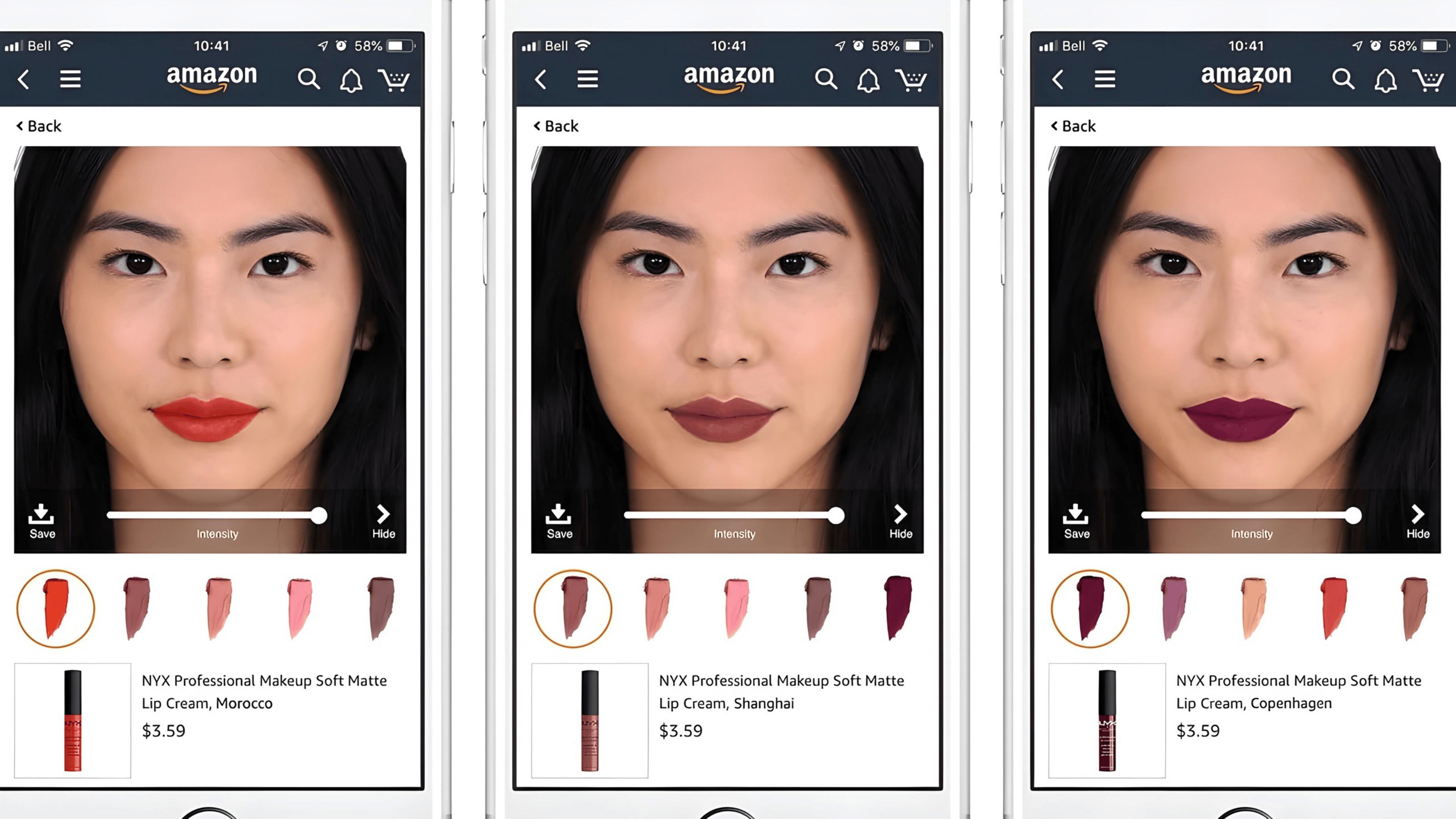
L’Oréal’s ModiFace lets users try on lipstick using AI
Source: Allure
In addition, the AI system also analyzes skin characteristics and purchasing behavior to recommend personalized products, for example, suggest a skincare line suitable for the climate and humidity where customers live.
Results achieved
Since When implementing this technology, L’Oréal recorded a strong increase in conversion rates and customer satisfaction, especially in the e-commerce channel. They don't just sell products, they also become personal beauty consultants for each user.
Starbucks - Predicting Purchase Behavior with AI
As the world's largest coffee chain, Starbucks is not only famous for its in-store experience but is also a master at applying data to personalize marketing.
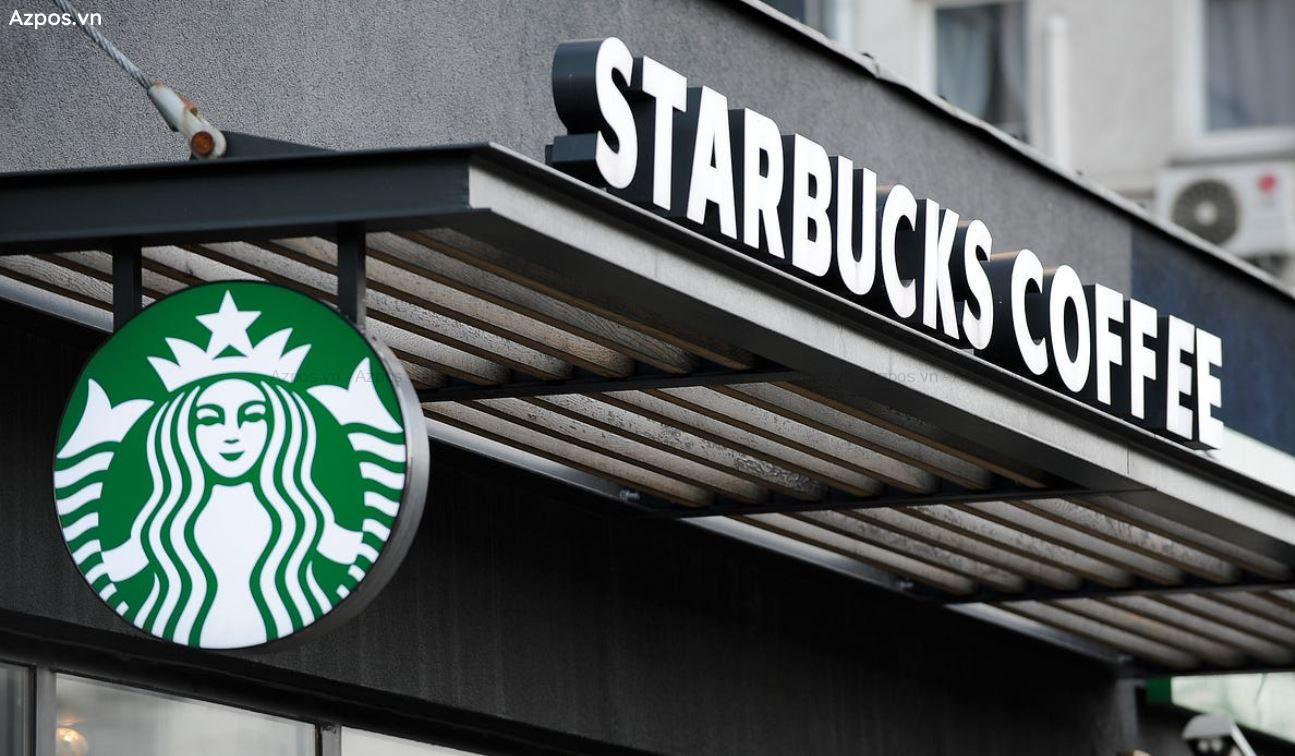
One of Starbucks' stores
How Starbucks uses AI
Starbucks developed a system Deep Brew AI, a data platform that predicts individual customers' purchasing habits based on their transaction history, weather, geographic location, and even the time of day.
As a result, each customer who opens the app sees different drink recommendations or offers, for example, an iced coffee for a hot day, or a warm drink for a winter morning.
Results achieved
AI Helps Starbucks Increase Repeat Purchase Rates and Average Revenue Per Customer (ARPU), While Maintaining Loyalty Through Starbucks Rewards.
This is a great example of how AI not only automates marketing, but also creates a sense of personal care for each customer.
Lessons for Small and Medium Enterprises (SMEs)
What these three global brands have in common is: AI helps them understand their customers better than ever.
- Nike uses AI to personalize the shopping journey.
- L’Oréal using AI to turn product selection into a fun experience.
- Starbucks uses AI to “anticipate” customer needs.
This not only helps increase revenue but also build loyalty - a vital factor for every business.
SMEs can learn that: AI is no longer far away. Even without a million-dollar budget, businesses can still leverage AI to:
- Suggest products suitable for each customer group.
- Automate care and reminders for repurchases.
- Analyze behavior to launch campaigns at the right time.
GTG CRM - Bringing the power of AI Marketing closer to SMEs
Inspired by global brands, GTG CRM integrates tools AI Marketing helps small businesses automate the personalization process simply.
With GTG CRM, you can:
- AI Assistant: ask questions, get reports and get marketing strategy suggestions based on real data from your business
- AI Content Builder: create engaging advertising content, SEO-standard Landing Page content, reply to customer messages and personalized social media posts for each customer group
- Automations: automatically send emails, messages and offers that match each person's behavior
- AI creates brand identity: create logo, mission, vision, core values for your business
- AI creates images: create illustrations for articles or Landing Pages easily with just a few commands
Therefore, SMEs can do marketing "as smart as Nike, as sophisticated as L'Oréal and as close as Starbucks" without technical team or high cost.
Conclusion
The case studies of Nike, L’Oréal and Starbucks show that AI is not just a technology, but a lever to create deep relationships with customers. The three brands have turned data into emotions, and emotions into loyalty - the most sustainable value in business.
With GTG CRM, small businesses can do the same: apply AI to understand customers, personalize the journey and turn each marketing campaign into a memorable experience.
Maybe You Should Read These
Leader's Mindset and the Role of AI in Brand Building – Lessons from P&G & Solutions from GTG CRM
How Canva and Tailor Brands Help Small Businesses Build a Brand in Minutes
7 most successful Landing Page optimization case studies
Slack: Run smoothly with smart user permissions
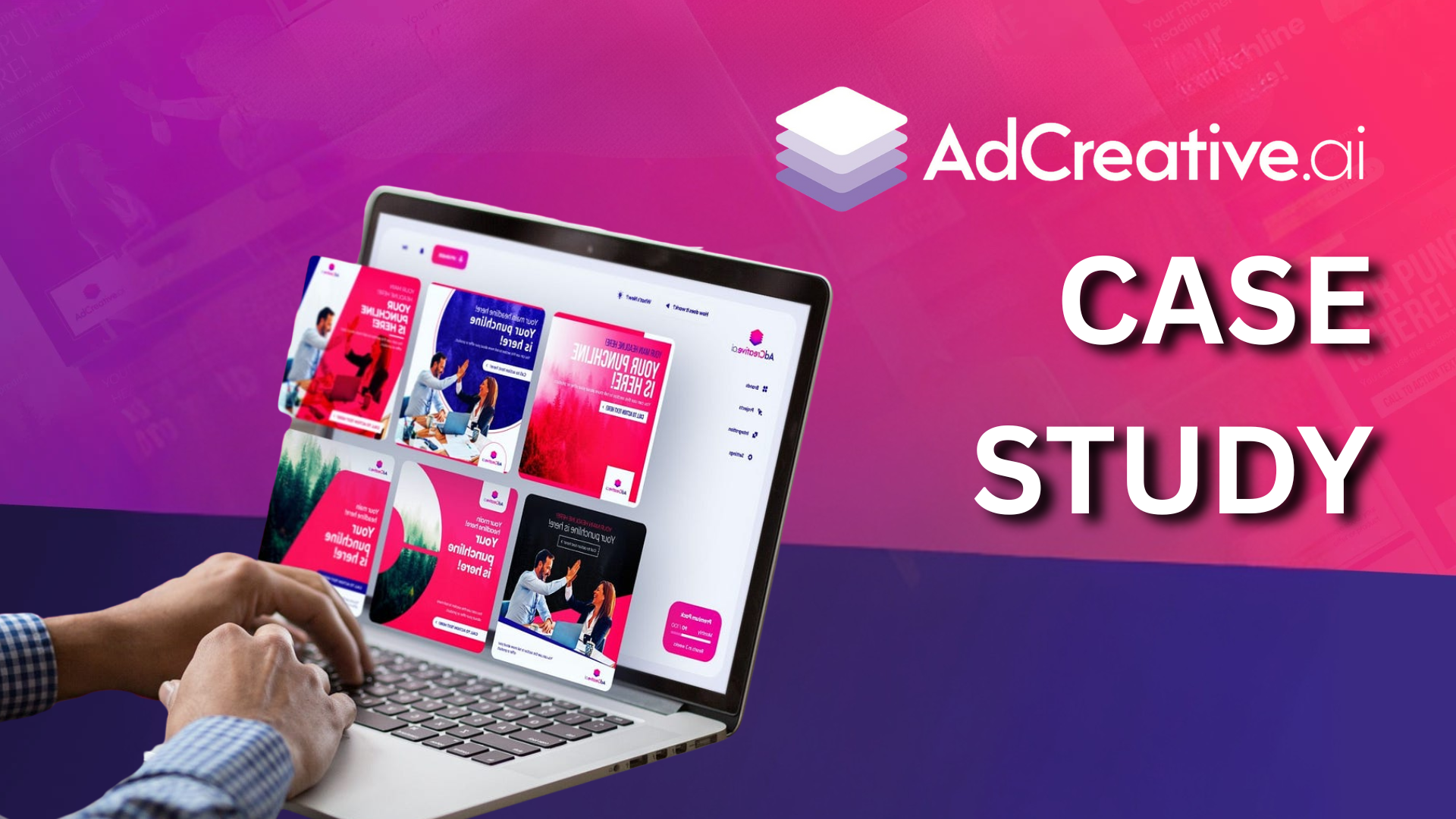
AdCreative.ai – When AI changes the way businesses create ads and optimize budgets