Case Study: Airbnb Increases Conversions by 30% with Experience-Optimized Landing Page
Thu Huyen
532 views
Table of Contents
In the field of tourism and accommodation, Airbnb is one of the most successful brands in the world. This platform allows users to rent or book accommodation in more than 190 countries. However, before becoming a global "giant", Airbnb faced a very common problem that many small businesses in Vietnam also encounter: high traffic but low conversion rate.
How do they turn those visits into actual subscribers or bookers? The answer lies in Landing Pages – landing pages that are streamlined, personalized, and clearly action-oriented.
Who is Airbnb and what problem do they face?
Airbnb was founded in 2008 in San Francisco, with the mission of connecting people with empty rooms with travelers in need of short-term accommodation. After several years of development, Airbnb's website attracted millions of visitors per month, but the conversion rate - that is, the number of people signing up to become "hosts" or guests booking rooms - was lower than expected.
Cause:
- The landing page was generic, not reflecting the needs of each user group (host vs. guest).
- The interface displayed a lot of content, the CTA was not prominent.
- The on-page experience was still scattered, not guiding users to specific actions.
That's when Airbnb decided to redesign the entire landing page based on behavioral data and personalization models.
Solution: Optimize Landing Pages with Data and User Experience
Airbnb implements a dynamic Landing Page strategy based on location, behavior, and usage. Each user who visits the platform will be taken to a “separate” landing page that is suitable for them.
Specifically, they apply three main directions of improvement:
- Landing pages by location and audience
Instead of a general page, Airbnb creates hundreds of landing pages for each city or region (e.g., “Vacation Rentals in Tokyo”, “Airbnb in Manhattan”). Content, images, and calls to action (CTAs) are all personalized based on the user's location or the keywords they search for.
- Action-Oriented UX Design
Airbnb analyzes how users look and scroll to place key areas like “Become a Host” or “Start your listing” CTAs in the most visible locations. The registration form is shortened to just a few steps to reduce bounce rates.
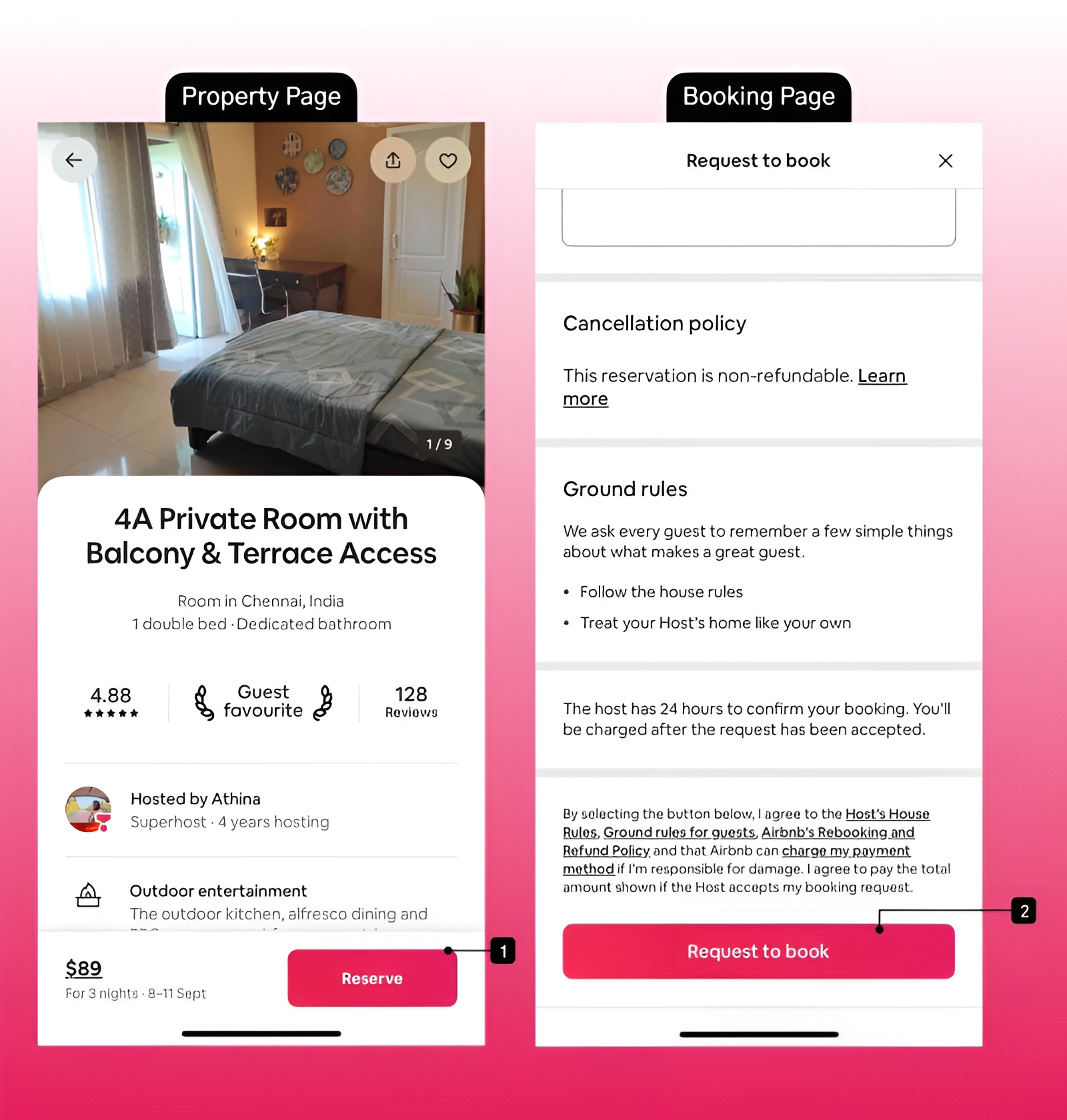
Optimized UX
- Continuous optimization with data and testing
The marketing team uses heatmaps and A/B testing to track scrolling, clicking, and pausing behavior. Variations of headlines, images, and CTA buttons were constantly compared to select the version with the highest conversion rate .
Results: Landing Page Becomes “Golden Touch” in Growth Strategy
Thanks to a landing page strategy based on data and user behavior, Airbnb achieved impressive results :
- The rate of registering to become a host increased by more than 30%.
- The average time on page increased by 25%.
- Bounce rate (page exit rate) decreased significantly.
- The amount of organic traffic increased sharply thanks to the SEO-optimized landing page system for each location.
The landing page is not just an “auxiliary website”, but has become an important part of Airbnb’s global conversion strategy – where every action from users is clearly and easily guided.
Lessons for Vietnamese SMEs
From Airbnb’s story, small businesses in Vietnam can learn 3 important lessons:
1. One landing page can't fit all
Each customer group has different needs, create separate landing pages for each product, industry or advertising campaign.
2. Data determines effectiveness
Measure and test often. A small change in headline, CTA or layout can make a big difference in conversions.
3. Simple is best
Users don't want to fill out long forms or read too much content. Keep the landing page short, the image visual, the CTA stands out, that's the formula Airbnb has proven successful.
GTG CRM - AI-integrated Landing Page solution for Vietnamese SMEs
If Airbnb had to invest hundreds of UX staff and data engineers to build a global landing page system, now Vietnamese SMEs can do the same with just a few simple steps thanks to GTG CRM.

GTG CRM's landing page treasure trove
With GTG CRM – Landing AI-integrated page, you can:
- Create intuitive drag-and-drop landing pages, no need to know code.
- Choose a template that is suitable for the industry, optimized for layout and conversion rate.
- AI writes SEO-standard content, automatically generates images that match the product.
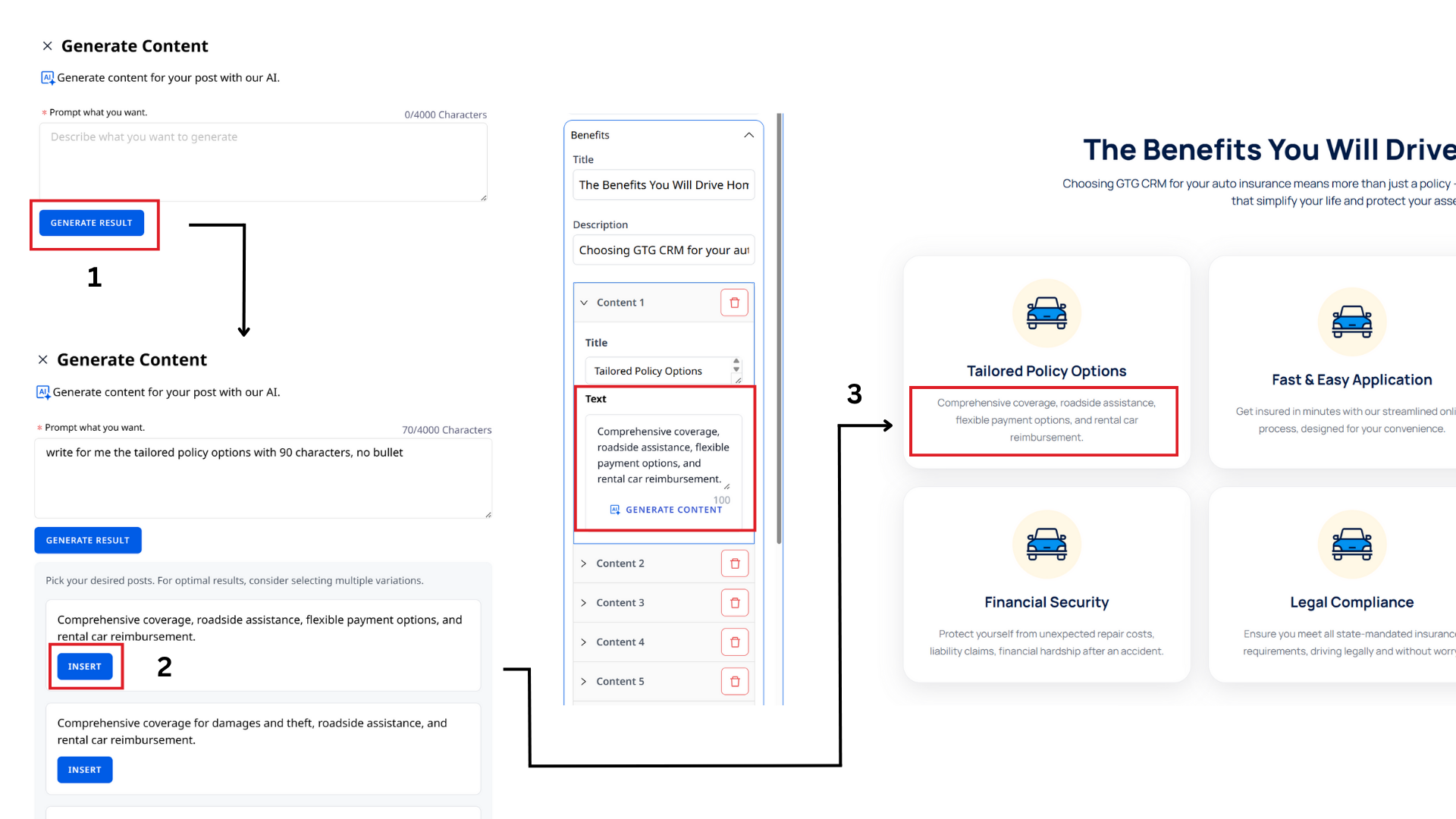
AI creates content freely
- Integrate forms, live chat, custom domains right in the platform.

GTG CRM integrates live chat right in the landing page
- Connect directly to the Campaigns module, run Google or Facebook ads right from the landing page without need for other tools.
With GTG CRM, small businesses can own an “Airbnb-standard” landing page – faster, more economical and smarter.
Conclusion
Airbnb’s story proves that: Landing page is not just an introduction page, but a revenue lever. By focusing on user experience and optimizing content based on behavior, they have turned landing page into the most powerful conversion tool.
And in Vietnam, GTG CRM helps SMEs achieve that without a technical team, without an agency, without needing to know how to code. With just a few drag-and-drop operations and AI support, you can create a beautiful, SEO-standard landing page and be ready to close customers.
Maybe You Should Read These
The Secret to a Sustainable Online Children's Toy Business: Increase Revenue with GTG CRM

5 Retail Industry Predictions 2025 – When GTG CRM Becomes the “AI Infrastructure” for Unified Shopping Experiences

Year-End Marketing & Sales Strategy and the Role of GTG CRM in Boosting Revenue
Slack: Run smoothly with smart user permissions

Optimize Lead Allocation for Sales Course: How GTG CRM's AI Cuts Consulting Time and Costs by 60%